


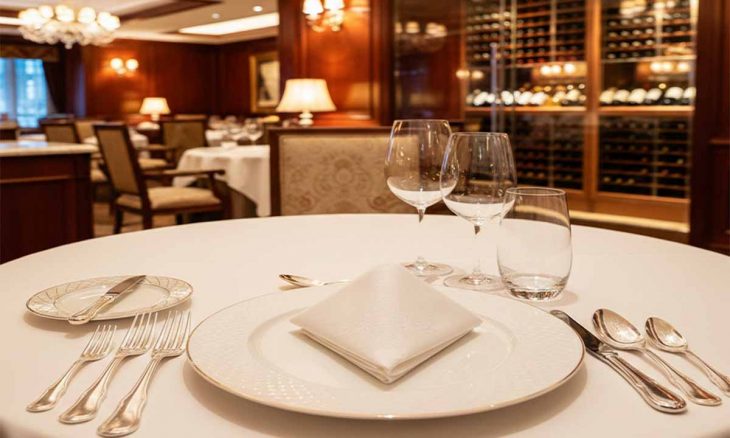
Ever wondered why dining etiquette matters? Knowing the right manners at the table can make a big difference in social and professional settings. Dining etiquette isn’t just about using the right fork; it’s about showing respect and making everyone feel comfortable. From the way you hold your utensils to the way you engage in conversation, every little detail counts. Good manners can help you leave a positive impression, whether you’re at a fancy restaurant or a family dinner. Ready to impress your friends and colleagues with your dining skills? Let’s dive into 30 fascinating facts about dining etiquette that will make you a pro at the table!
Dining Etiquette Around the World
Dining etiquette varies greatly from one culture to another. Knowing these customs can help you avoid embarrassing faux pas and show respect for your hosts.
- In Japan, slurping noodles loudly is a sign of appreciation for the meal.
- In China, leaving a bit of food on your plate shows that you are full and satisfied.
- In India, eating with your right hand is customary, as the left hand is considered unclean.
- In France, placing your hands on the table, but not your elbows, is considered polite.
- In Italy, it is frowned upon to ask for extra cheese on your pizza or pasta.
Table Manners
Table manners are the rules of etiquette used while eating, which also include the appropriate use of utensils.
- In the United States, it is polite to wait until everyone is served before starting to eat.
- In the UK, holding your fork in your left hand and knife in your right is the norm.
- In Russia, it is considered rude to rest your elbows on the table.
- In Thailand, forks are used to push food onto spoons, which are then used to eat.
- In Ethiopia, meals are often shared from a communal plate, and using your hands is common.
Toasting Traditions
Toasting is a universal practice, but the customs surrounding it can differ widely.
- In Germany, it is important to make eye contact when clinking glasses.
- In Hungary, never clink beer glasses; this dates back to a historical event.
- In Georgia, toasts are often long and elaborate, led by a toastmaster called a “tamada.”
- In Japan, the word for cheers is “kanpai,” and it is customary to wait for everyone to be served before toasting.
- In Russia, toasts are frequent and often involve vodka; it is polite to participate.
Utensil Use
Different cultures have unique rules for using utensils during meals.
- In China, never stick chopsticks upright in a bowl of rice; it resembles incense sticks used at funerals.
- In Thailand, chopsticks are generally used only for noodle dishes.
- In France, bread is placed directly on the table, not on a plate.
- In the Middle East, using a communal spoon for shared dishes is common.
- In Korea, it is considered rude to pick up your bowl while eating, unlike in other Asian cultures.
Serving and Eating
How food is served and eaten can also vary greatly between cultures.
- In Spain, meals are often served family-style, with everyone sharing from large dishes.
- In Mexico, it is polite to keep your hands visible while eating.
- In Brazil, it is common to use a small plate for salad and a larger plate for the main course.
- In Morocco, eating with your hands is customary, but only with the right hand.
- In South Korea, the eldest person at the table starts eating first.
Special Occasions
Special occasions often come with their own set of dining rules and traditions.
- In Greece, breaking plates is a traditional way to celebrate special occasions.
- In Turkey, it is customary to offer guests tea or coffee after a meal.
- In Japan, it is polite to say “Itadakimasu” before eating and “Gochisousama” after finishing a meal.
- In Italy, meals can be long, multi-course affairs, especially during holidays.
- In India, it is common to serve sweets at the end of a meal, especially during festivals.
Dining Etiquette: A Timeless Guide
Understanding dining etiquette can make a big difference in social and professional settings. Knowing how to use utensils properly, when to start eating, and how to engage in polite conversation shows respect for others and boosts your confidence. These small details can leave a lasting impression.
Remember, every culture has its own unique customs. Whether you’re dining in Japan, France, or the United States, being aware of local practices can help you avoid awkward moments. It’s not just about following rules; it’s about showing consideration for those around you.
So next time you’re at a formal dinner or a casual meal with friends, keep these tips in mind. You’ll not only enjoy your meal more but also make a positive impact on those dining with you. Happy eating!
Was this page helpful?
Our commitment to delivering trustworthy and engaging content is at the heart of what we do. Each fact on our site is contributed by real users like you, bringing a wealth of diverse insights and information. To ensure the highest standards of accuracy and reliability, our dedicated editors meticulously review each submission. This process guarantees that the facts we share are not only fascinating but also credible. Trust in our commitment to quality and authenticity as you explore and learn with us.