

What sets HUE Dining apart is how it sits at the intersection of food, architecture, and contemporary culture. Located within M+, Hong Kong’s museum of visual culture in the West Kowloon Cultural District, the restaurant is designed to be experienced as part of a broader cultural visit rather than as a standalone dining destination. If you enjoy food stories shaped by place and identity, these facts about Australia add helpful context for the modern Australian influences behind the menu.
HUE Dining’s culinary approach is rooted in modern Australian cuisine, shaped by multicultural influences and a focus on balance, clarity, and ingredient quality. Combined with panoramic harbour views, natural light, and a space that mirrors the museum’s design language, the restaurant emphasizes atmosphere and context as much as what appears on the plate.
Let’s dive into 30 interesting facts about HUE Dining.
The Origins of HUE Dining
HUE Dining’s identity is closely tied to its surroundings, with the restaurant conceived as part of Hong Kong’s wider cultural and architectural landscape rather than a conventional dining venue.
- HUE Dining is located inside M+, Hong Kong’s museum of visual culture in the West Kowloon Cultural District. Its placement inside a major cultural institution immediately sets it apart from conventional dining venues.
- The restaurant opened alongside M+’s public launch, aligning its identity with art, design, and architecture. This positioning reinforces the idea that dining is part of the overall museum experience.
- HUE Dining is positioned as a modern Australian restaurant, rather than focusing on traditional or heritage dishes. Its menu reflects contemporary techniques and global influences instead of regional nostalgia.
- The concept reflects Australia’s multicultural food culture, shaped by European methods, Asian ingredients, and global perspectives.
- The name “HUE” refers to tone, perception, and variation, concepts that resonate strongly within a visual arts setting. Dining here often feels connected to the city’s broader creative identity, much like these facts about Hong Kong explore through geography and culture.
Culinary Direction
The menu at HUE Dining reflects a contemporary mindset, focusing on clarity, balance, and thoughtful composition rather than spectacle.
- The menu emphasizes contemporary Australian cooking, prioritizing balance, restraint, and clarity. Dishes aim to feel refined without relying on excessive complexity.
- Many plates combine Western cooking techniques with Asian ingredients. This reflects both Australia’s food culture and Hong Kong’s culinary expectations.
- Seasonal menu updates allow the kitchen to adapt to ingredient availability and freshness. The menu evolves over time rather than remaining fixed.
- Seafood plays a prominent role, aligning with Australian coastal cuisine and local dining preferences. Preparation highlights freshness and natural texture.
- Vegetables are treated as central components, not just supporting sides. This reflects a modern, ingredient-driven philosophy.
Ingredients and Sourcing
Ingredient selection at HUE Dining is guided by quality, suitability, and balance rather than origin alone.
- HUE Dining prioritizes high-quality produce, including selected Australian ingredients where appropriate. Ingredient choice is guided by suitability rather than origin alone.
- Local sourcing is incorporated to support freshness and sustainability. This balances international identity with regional responsibility.
- Dishes avoid unnecessary embellishment, allowing natural flavors to remain clear. Technique is used to enhance, not obscure, the ingredients.
- Sauces and garnishes are intentionally restrained. Their role is to complement rather than dominate the dish.
- Desserts reflect modern Australian pastry styles, balancing sweetness with acidity and texture. Final courses are designed to conclude meals lightly.
Design and Atmosphere
The physical environment plays a major role in shaping how guests experience HUE Dining.
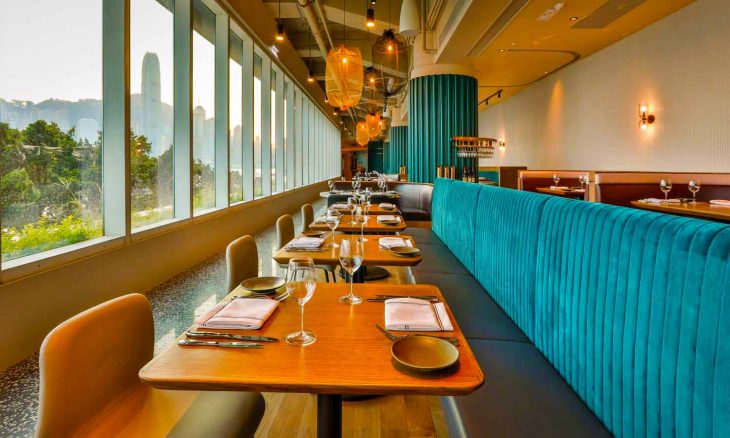
- The interior design aligns closely with M+’s architectural language. Clean lines and neutral materials create visual continuity with the museum.
- Floor-to-ceiling windows provide expansive views of Victoria Harbour. The surrounding landscape becomes part of the meal.
- Natural daylight shapes the atmosphere during lunch service. Light levels change throughout the day, subtly altering the mood.
- The dining space is intentionally calm and uncluttered. This encourages focus on food, conversation, and surroundings.
- Outdoor terrace seating overlooks West Kowloon’s waterfront. It is especially popular during evenings and cooler months.
Dining Experience
Guests at HUE Dining often approach the meal with a different mindset shaped by location and context.
- HUE Dining attracts both museum visitors and destination diners. It serves as both a cultural stop and a planned dining choice.
- The restaurant is well suited to long, unhurried meals. Many guests dine before or after visiting exhibitions.
- Service is polished yet informal in tone. This reflects Australian hospitality rather than rigid fine-dining conventions.
- The wine list features Australian producers alongside international labels. Selections are curated to support the menu without overwhelming diners.
- Staff are trained to explain dishes clearly and accessibly. Information is shared thoughtfully without excessive technical language.
Cultural Positioning
HUE Dining occupies a unique position within Hong Kong’s contemporary lifestyle and cultural ecosystem.
- HUE Dining is designed as an extension of the museum experience, not a separate attraction. Dining becomes part of a wider cultural journey.
- The restaurant often serves guests after exhibitions and events. It naturally complements time spent within the M+ museum.
- Its location makes it a popular spot for sunset dining in West Kowloon. Timing and views contribute significantly to its appeal.
- The restaurant’s identity is closely tied to design, art, and contemporary lifestyle. It avoids traditional luxury signals in favor of cultural relevance.
- HUE Dining illustrates how food, place, and culture intersect in modern Hong Kong. The experience is shaped as much by environment as by cuisine.
HUE Dining in Hong Kong’s Cultural District
HUE Dining is not defined by spectacle or exaggerated claims. Its significance lies in how it integrates modern Australian cuisine with Hong Kong’s cultural landscape, offering a dining experience shaped by architecture, art, and setting as much as by what appears on the plate.
Was this page helpful?
Our commitment to delivering trustworthy and engaging content is at the heart of what we do. Each fact on our site is contributed by real users like you, bringing a wealth of diverse insights and information. To ensure the highest standards of accuracy and reliability, our dedicated editors meticulously review each submission. This process guarantees that the facts we share are not only fascinating but also credible. Trust in our commitment to quality and authenticity as you explore and learn with us.